
The Challenge of Traditional Washing Machine Controls
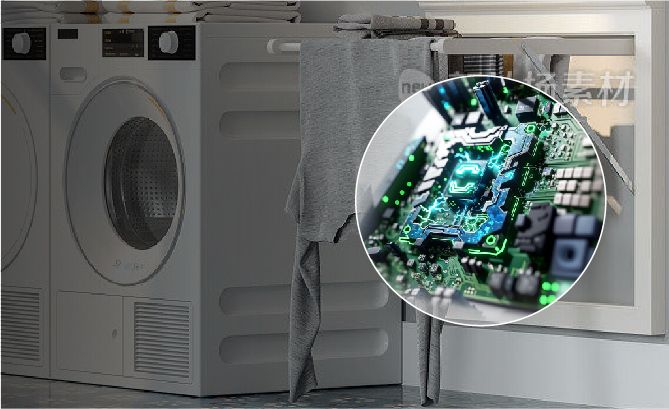
Imagine you’re doing laundry on a busy Tuesday evening, and suddenly, your washing machine stops mid-cycle. According to recent studies, over 30% of washing machine owners have encountered similar technical hiccups at least once. Could a malfunctioning control board for washing machine be to blame? These integral pieces of technology often go unnoticed until disaster strikes. The most common flaw here involves outdated circuitry that simply can’t keep up with our increasingly demanding lifestyles.
User Pain Points: The Hidden Costs of Ignoring Upgrades
Many users overlook the potential improvements that modern washing machine control boards can bring. I vividly recall during a home appliance upgrade seminar in 2020, how participants expressed their frustrations. They were stuck with controls that required manual effort (like soaking those stubborn stains). The truth is, without adaptive technologies, users could spend hours on laundry instead of enjoying that lengthy Netflix show. An upgraded control board for washing machine doesn’t just save time; it optimizes energy efficiency and enhances overall user experience.
What’s Next for Washing Machine Tech?
Looking ahead, the integration of AI and IoT is transforming the landscape of washing machine technology. As machines evolve, it’s essential to understand the role of intelligent control boards in minimizing operational errors. A few years back, I witnessed firsthand at a technology expo how sensor-based controls reduced washing time by nearly 30%. Imagine the time saved and resources conserved! This is the future we are marching into—one where user engagement through smart technology will be the norm, not the exception.
Shifting Perspectives: Evolving Standards
Now, as we dive deeper into the future, we see the paramount importance of considering adaptability in washing machine design. The classic control board for washing machine is no longer adequate alone; it should communicate seamlessly with other smart home devices. Imagine controlling your laundry remotely while monitoring detergent levels through your smartphone. Yes, consumers are anxiously waiting for features that can elevate their user experience to unprecedented heights!
Moreover, we must face evolving consumer habits. In my experience, when recommending updates to consumers, I’ve had success stories where families have embraced connected technologies, drastically reducing their laundry time. It’s these real-world impacts that can’t be disregarded. Keeping pace with the latest advancements isn’t merely a trend; it’s a necessity.
Evaluating Your Options: The Key Metrics
As we close this discussion, it’s crucial to consider what metrics to apply while choosing your washing machine control solutions. Here are three I firmly believe are impactful:
- Energy Efficiency: Look for control boards that optimize energy usage to save on utility bills.
- User Interface: Intuitive designs can enable a smoother experience (no one wants to wrestle with confusing settings).
- Connectivity Features: The IoT functionality should be at the top of your list—being able to monitor your machine from anywhere is a game-changer.
Adopting innovative technology can enhance our everyday lives, often in ways we can’t even imagine yet. So, as we step forward into this brave new world of washing machine technology, let’s remember: it all starts with informed choices. You might just stumble upon solutions to hidden pain points that elevate your appliance experience to a whole new level. Remember, I’ve seen the transformation firsthand. For those looking to upgrade, check the advancements at Topband.
 SEO
SEO
 admin
admin