
In today’s fast-paced business environment, inefficiencies in workflow and time management can softly erode earning, spirits, and competitive edge. Traditional methods of tracking employee hours—paper timesheets, manual punch clocks, or erratic spreadsheets—are prone to errors, delays, and lack of visibility. By comparison, modern employee time tracking apps provide a comprehensive solution, automating time capture, generating real-time analytics, and adjusting raw data into actionable information. From precise automated timesheets to data-driven productivity strategies, an smartly stationed time tracking iphone app can revolutionize every part of how teams plan, execute, and improve their work.
The Rise of Employee Time Tracking Apps
Over the past decade, cloud-based and mobile-enabled time tracking applications have surged in popularity among organizations of all sizes. What began as simple digital punch clocks has evolved into sophisticated platforms that capture start and stop times, employee time tracking app break trips, and even project-specific activity at the click of a button or the tap of a smart phone. These apps eliminate the burden of manual entry, eliminate buddy-punching, and ensure that every minute worked is accurately recorded. As businesses embrace remote and hybrid work models, time tracking apps have become crucial tools for maintaining structure and answerability regardless of physical location.
Automating Timesheets: Saving Time and Reducing Errors
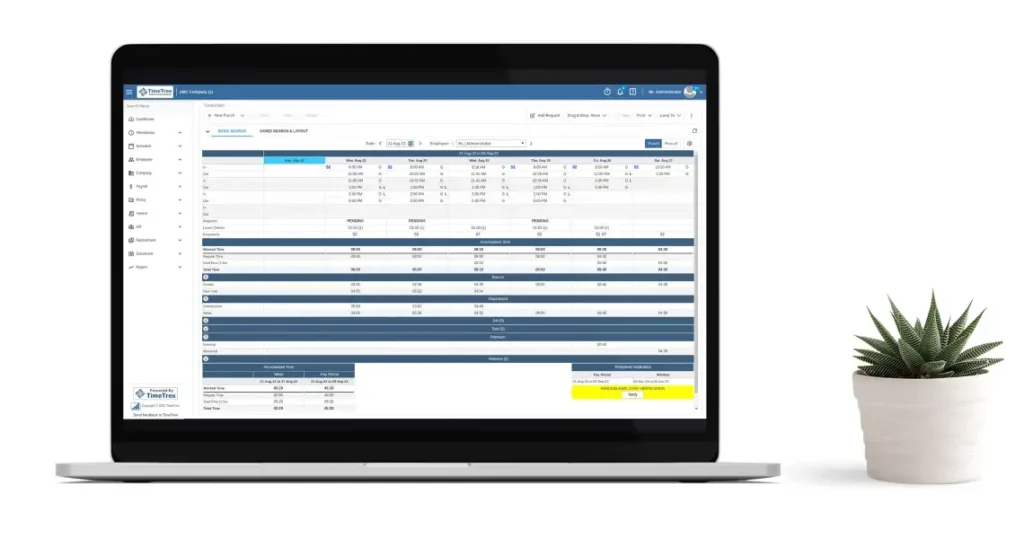
One of the most immediate benefits of a time tracking iphone app is the automation of timesheets. Rather than relying on employees to remember start and end times—often days after the fact—apps log hours in real time, synchronize entries to centralized dashboards, and invite for quick home loan approvals. This automation cuts admin cost to do business, freeing HOUR OR SO and payroll teams from hours of data entry and getting back together. Moreover, built-in agreement rules flag anomalies—such as missing clock-outs or excessive overtime—before they cascade into payroll errors. The result is not only faster processing but also a dramatic lowering of costly miscalculations that can sour employee contact.
Real-Time Information into Employees Activity
Beyond automating timesheets, time tracking apps provide real-time visibility into where and how employees spend their working hours. Administrators can view live dashboards showing who is on the time, which tasks or projects are consuming the most time, and how actual hours compare to budgeted estimates. This granular openness enables aggressive interventions—redistributing resources when one team is crammed, identifying idle capacity, or modifying project timelines before deadlines slip. In dynamic environments such as back-up and support or field service, knowing instantly which employees are available can drastically improve response times and customer care.
Data-Driven Productivity: Turning Time Fire wood into Actionable Strategies
The aggregated data from a time tracking iphone app becomes a powerful foundation for productivity analysis. By examining trends—such as average task end times, frequent bottlenecks, or fluctuating workloads—organizations can pinpoint inefficiencies and improve processes. For example, if a particular type of client request consistently utilizes more time than anticipated, teams can standardize web templates or automate repetitive steps. Similarly, time allowance reports reveal high performers whoever guidelines can be shared company-wide, while also mentioning employees who may benefit from additional training or support. This data-driven approach fosters continuous improvement rather than reactive guesswork.
Enhancing Answerability and Employee Satisfaction
Contrary to fears that point tracking means micromanagement, transparent time tracking can actually reinforce trust and spirits. When employees see that their hours are logged accurately—and that they are recognized with fair, timely compensation—they feel valued and respected. Self-service features allow staff to review their own timesheets, submit corrections, and know how their efforts contribute to team goals. Clear metrics also enable honest performance discussions grounded in objective data. By aligning expectations with measurable outcomes, time tracking apps grow a culture of answerability without not fair suspicion.
Seamless Integration with Workflow Tools
Modern time tracking platforms rarely stand alone; they integrate faultlessly with project management, invoicing, and collaboration tools. Synchronizing with systems like Asana, Trello, Jira, or Slack means that time entries automatically stick to the tasks and issues employees work on, providing contextual importance. Integrated invoicing adventures can convert billable hours into client-ready accounts in minutes, augmenting the cash-flow cycle for service-based businesses. Even appointments integrations allow for one-click time signing from scheduled meetings. This interconnected ecosystem ensures that time data flows where it’s needed, eliminating duplicate entry and enhancing cross-functional positioning.
Ensuring Complying and Streamlining Payroll
Complying with labor laws—overtime thresholds, break requirements, and recordkeeping mandates—is a critical concern for employers. A robust time tracking iphone app can be put together to put in force policy rules automatically, alerting administrators to potential violations and generating audit-ready reports. When it’s time to process payroll, the machine exports accurate hours and payscale rules right to payroll software, ensuring that overtime, shift differentials, and holiday premiums are applied correctly. This not only mitigates legal risk but also expedites payroll series, improving financial predictability and employee satisfaction.
Future of time Tracking: AI and Predictive Analytics
Looking ahead, the development of time tracking apps will be driven by artificial brains and predictive analytics. AI-powered features will predict project timelines based on historical data, suggest optimal resource allocations, and even detect early signs of employee burnout by analyzing overwork patterns. Natural language processing could enable voice-activated signing and the automatic categorization of activities from meeting transcripts. As these technologies mature, organizations that leverage advanced time tracking will delight in a strategic advantage, empowered by foresight rather than hindsight.
Conclusion
An employee time tracking iphone app does far more than automate timesheets; it acts as the central source of a data-informed work culture. By capturing accurate time data, delivering real-time visibility, and running actionable analytics, these platforms enable administrators to improve resource allowance, enhance productivity, and uphold legal complying with minimal chaffing. Employees benefit from transparent, fair treatment and clear information into their own performance. In an era where agility and efficiency determine success, taking on a complicated time tracking solution is no longer optional—it’s a prerequisite for competitive excellence and sustainable growth.
 Baniza
 SEO
SEO