
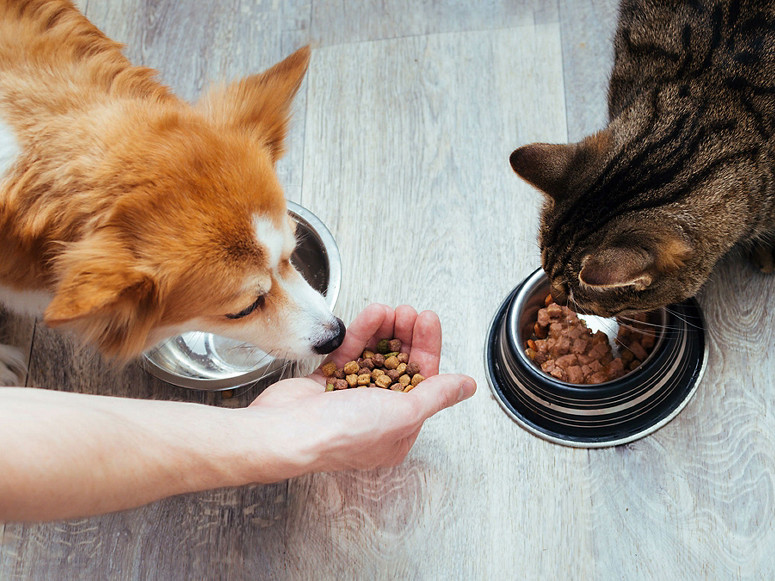
Feeding your dog or cat is not just about filling their bowls; 貓罐頭 it’s about giving them the nourishment they need to live long, healthy lives. The nutritional needs of dogs and cats are distinct and based on their biological makeup. Dogs, being omnivores, can consume a wide variety of ingredients, including meats, grains, vegetables, and fruits. Cats, however, are obligate carnivores and must have meat in their diets to get vital nutrients like taurine, arachidonic acid, and vitamin A, which they cannot produce on their own. Understanding these core differences is the foundation of selecting proper pet food.
The market today offers a wide range of options tailored for different breeds, sizes, and life stages. Dry food or kibble is often the go-to choice for convenience, shelf life, and cost-effectiveness. Wet food, on the other hand, provides higher moisture content, which is especially beneficial for cats who may not drink enough water. There are also semi-moist options, raw food diets, freeze-dried meals, and home-cooked recipes. Each comes with its pros and cons, and the decision often depends on the pet’s age, activity level, health condition, and personal preference. Some owners even opt for a mix of wet and dry food to combine the benefits of both.
When choosing pet food, reading the label is crucial. High-quality products typically list a named animal protein as the first ingredient, such as chicken, beef, or salmon. For dogs, whole grains, vegetables, and fruits can be good sources of carbohydrates, fiber, and vitamins. Cats need animal protein as the main focus, and foods containing unnecessary fillers, artificial preservatives, and by-products should generally be avoided. Owners should also consider life-stage formulas—puppy or kitten food for growth, adult food for maintenance, and senior food for aging pets. Foods for special conditions like weight control, sensitive stomachs, or joint support are also available and often recommended by veterinarians.
Feeding practices are as important as food selection. Overfeeding is a common issue and a leading cause of obesity in pets, which can lead to serious health problems like diabetes, joint issues, and heart disease. It’s important to measure portions based on the feeding guidelines and the pet’s individual needs. Scheduled feeding times help with digestion and create a stable routine. Fresh water should be available at all times, and treats should be limited to avoid excess calorie intake. Monitoring your pet’s weight, coat condition, and energy levels can provide clues about whether their current diet is appropriate or needs adjustment.
Trends in pet nutrition have shifted toward natural, organic, and grain-free options, influenced by consumer preferences and concern for pet health. While some of these diets may benefit pets with specific allergies or sensitivities, they are not always necessary for every dog or cat. For instance, grain-free diets have come under scrutiny due to potential links with heart disease in dogs. It’s essential not to fall for marketing buzzwords and instead focus on scientifically backed nutritional value. Consulting with a veterinarian before switching to a specialized or alternative diet ensures that your pet’s unique health requirements are being met safely.
In the end, choosing the right food for your dog or cat requires a combination of knowledge, observation, and professional guidance. Nutrition impacts everything from a pet’s immune system to their skin and coat health, energy, and even behavior. With so many options available, it’s easier than ever to find food that suits your pet’s specific needs and preferences. A well-fed pet is a happy pet, and providing them with balanced, high-quality meals is one of the most meaningful ways to show love and care. By making informed decisions about your pet’s diet, you are investing in their happiness and health for years to come.
 SEO
SEO
 admin
admin